Container / Bottle Cap Torque Tester
- Home
- Packaging Testing Equipments
- Container/ Bottle Cap Torque Tester

Keeping Every Twist Secure – Reliable Torque Testing for Beverage and Pharma Packaging
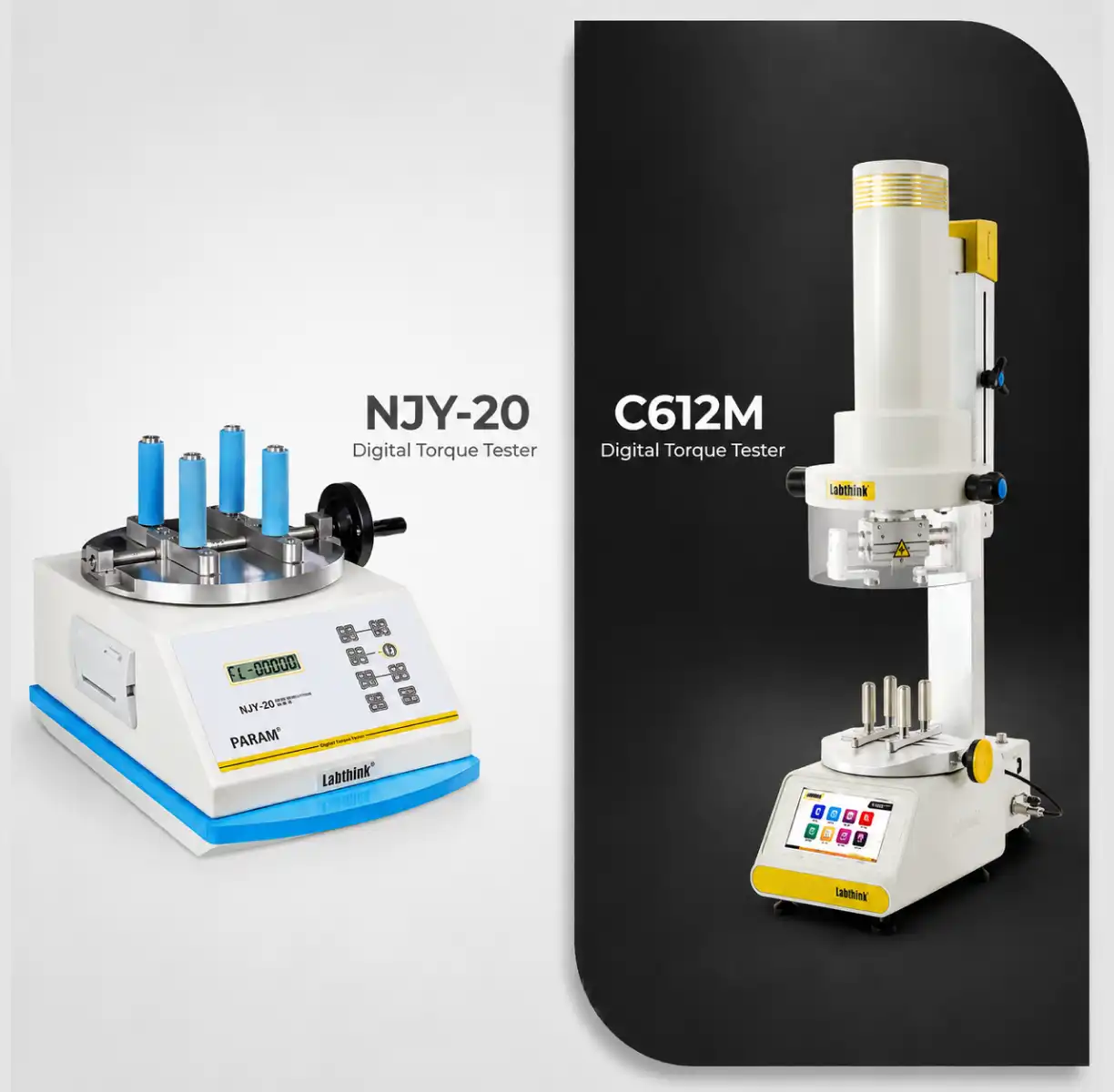
Digital Torque Tester NJY-20
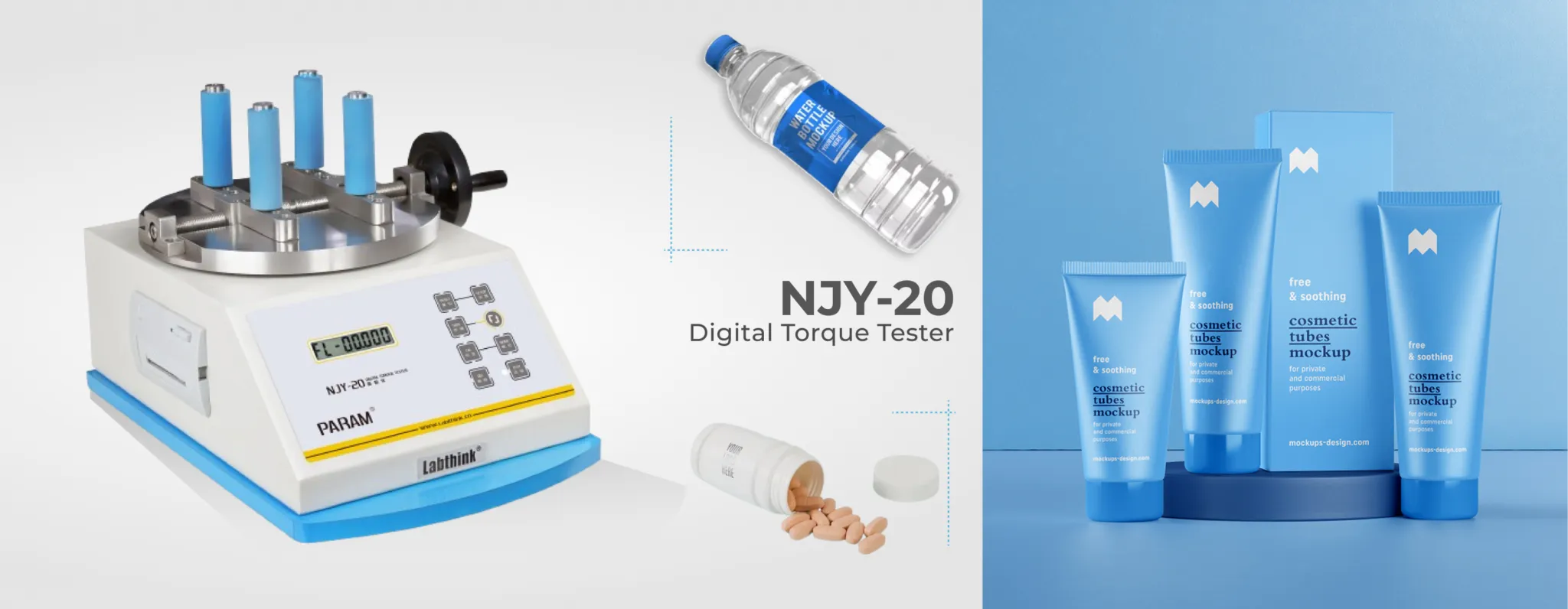
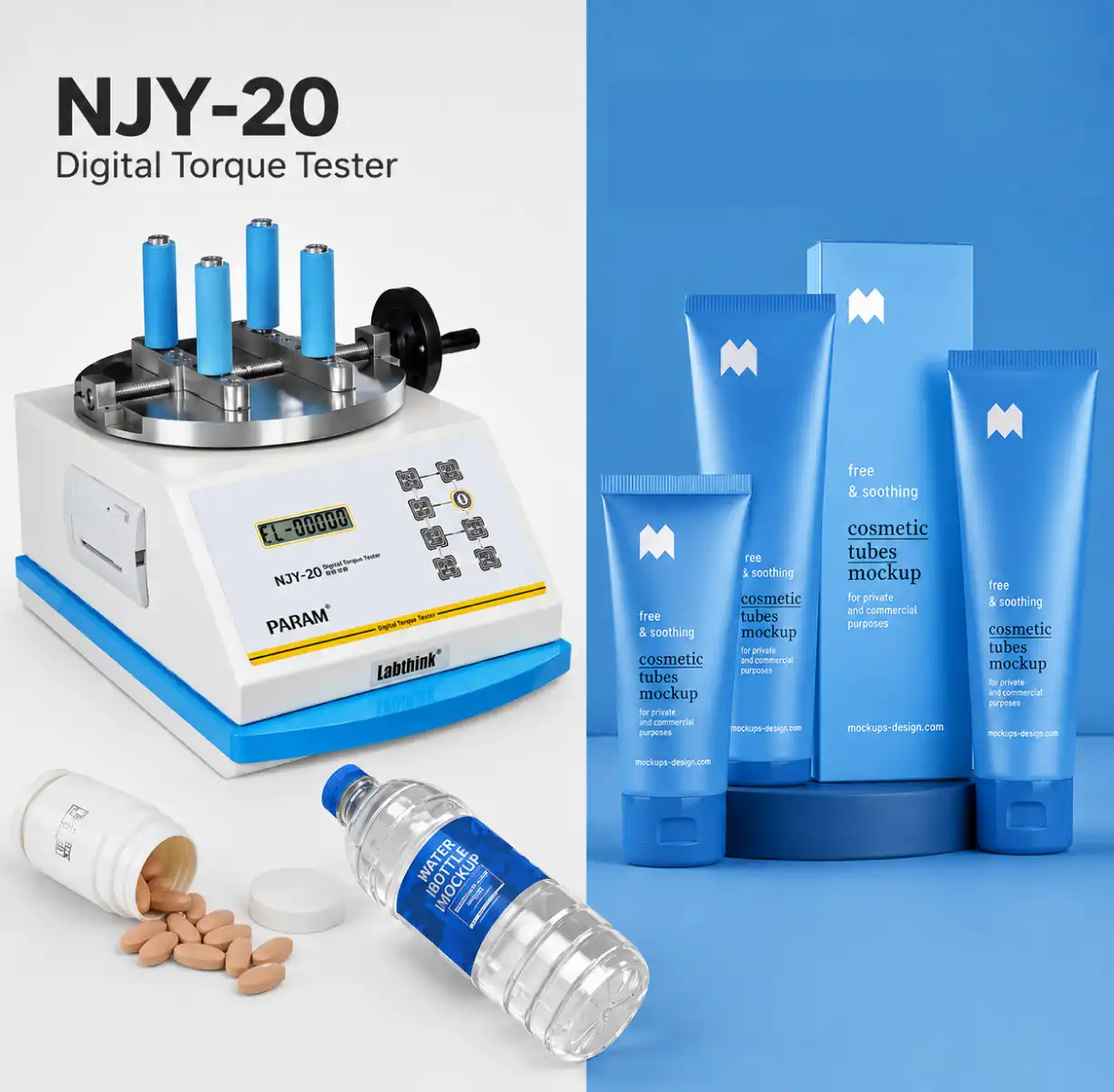
The NJY-20 Digital Torque Tester ensures consistent quality and safety by verifying that closures meet specified torque standards, preventing leaks and maintaining product integrity.
Submit Your Details to Download Brochure!
Features
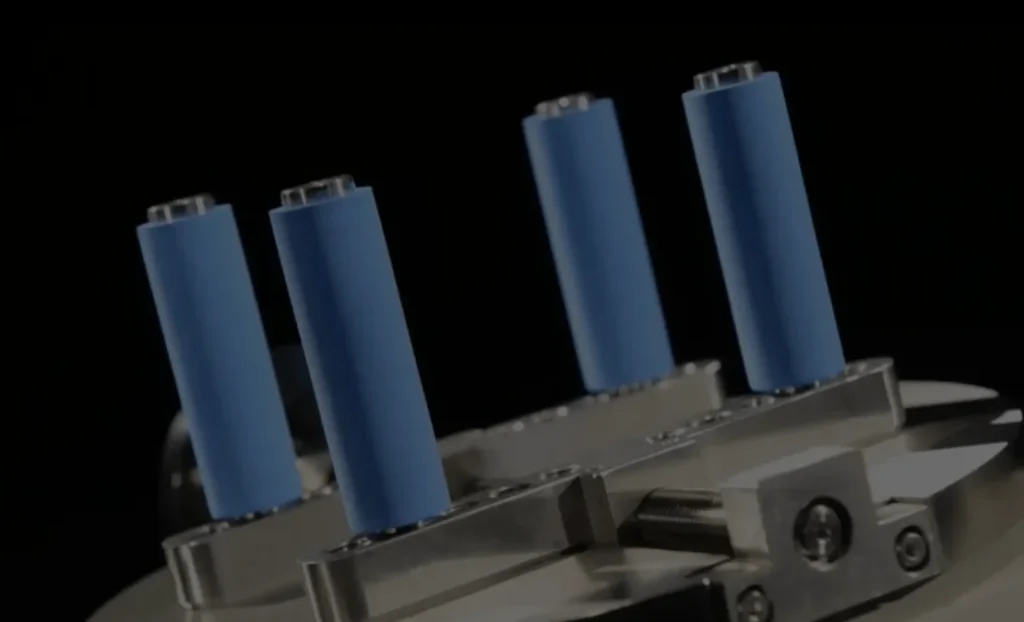
- The instrument is controlled by a micro-computer with menu interface, PVC operation panel and large LCD display
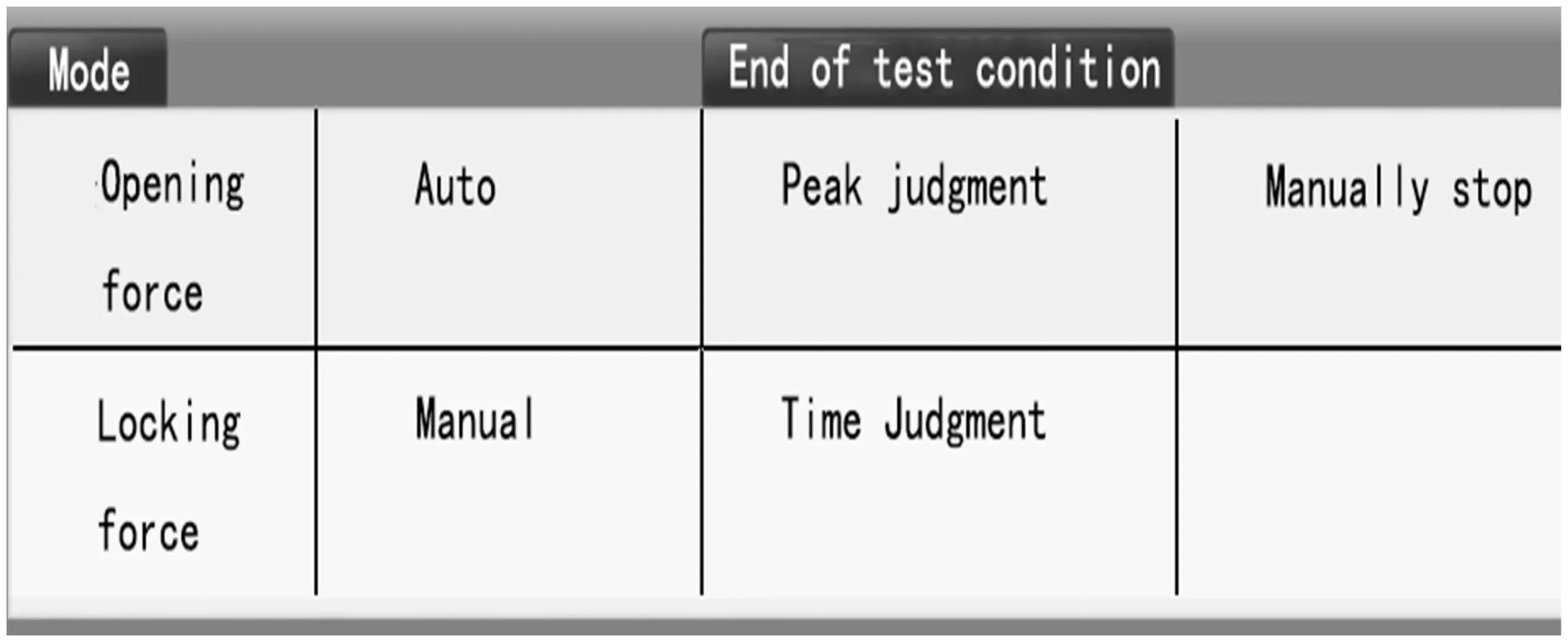
- 2 test modes for open force and lock force
- Automatic retaining of peak value and recording the test results precisely
- Standard testing units which is convenient for data reference and comparison
- Intelligent designs of overload protection, automatic zeroing and error alert for safe test operation
Digital Torque Tester C612M
Perfect Torque, Perfect Seal – Ensure Packaging Integrity with the C612M Digital Torque Tester
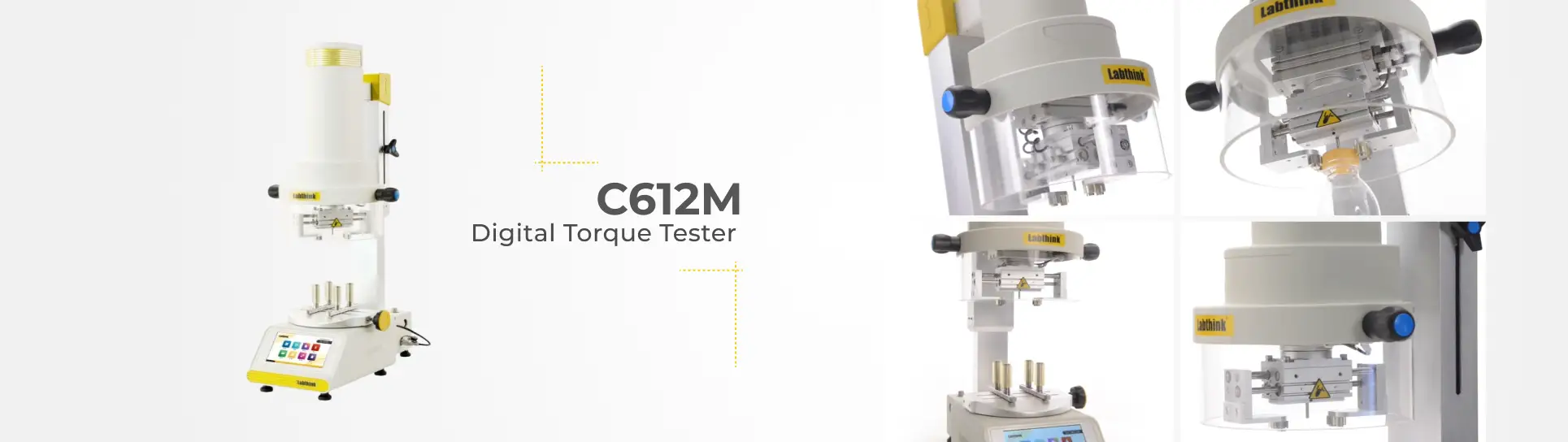
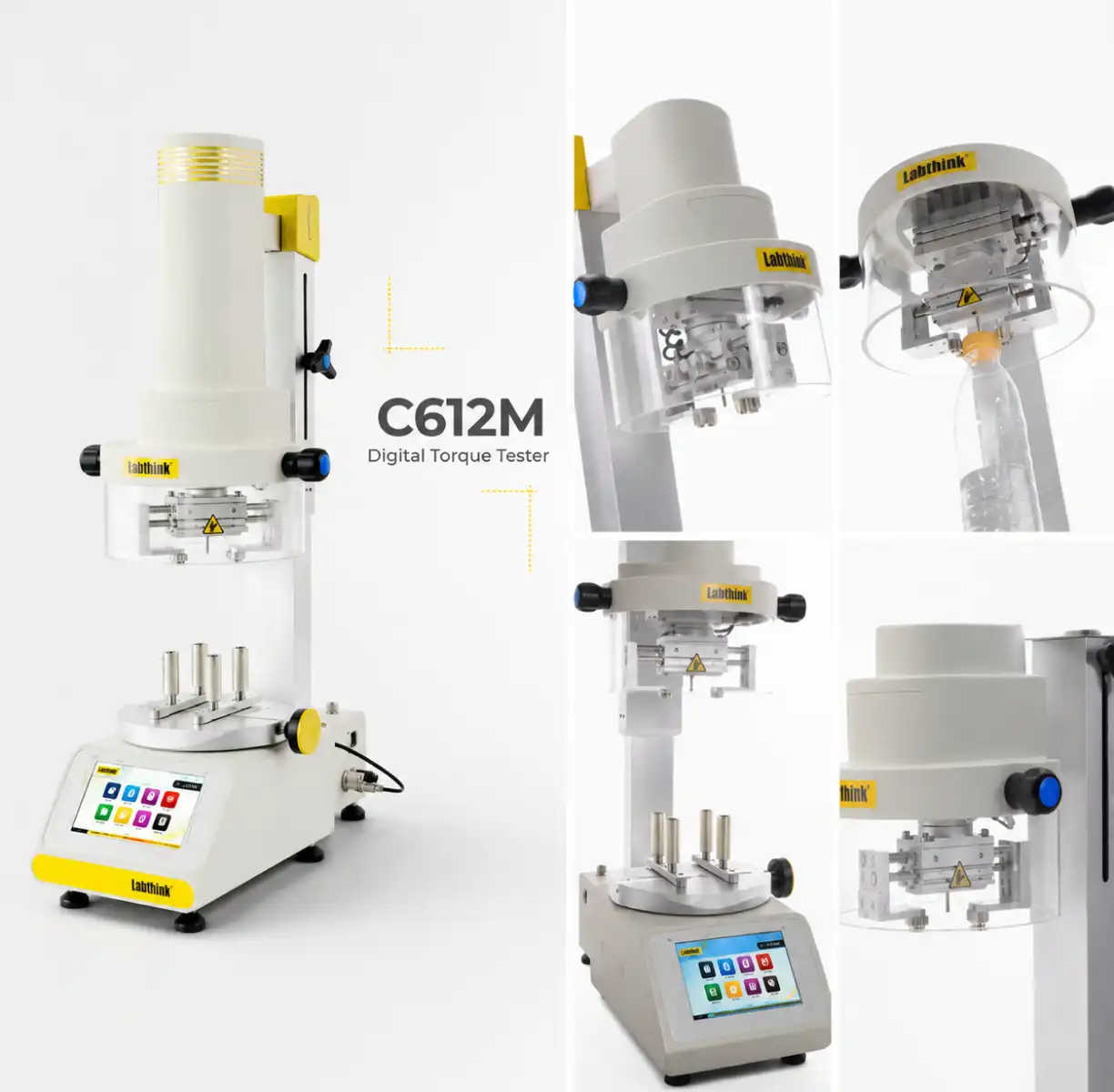
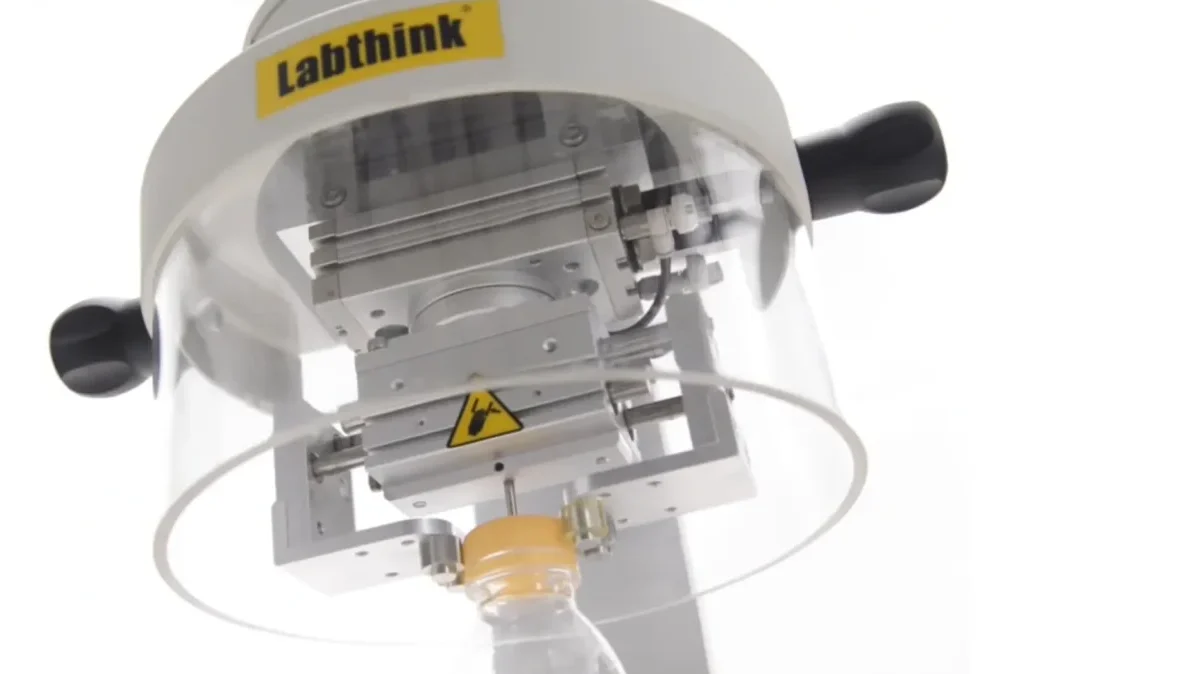
The C612M Digital Torque Tester is designed for accurate measurement of opening and locking torque of bottle caps, closures, and other packaging components.
It helps manufacturers ensure consistent product quality, optimize closure performance, and meet packaging testing requirements across industries such as food, beverages, pharmaceuticals, cosmetics, and consumer products.
Submit Your Details to Download Brochure!
Features
-
Dual Test Modes & Innovative Automatic Testing with Manipulator:
- Dual test modes including application torque test and removal torque test
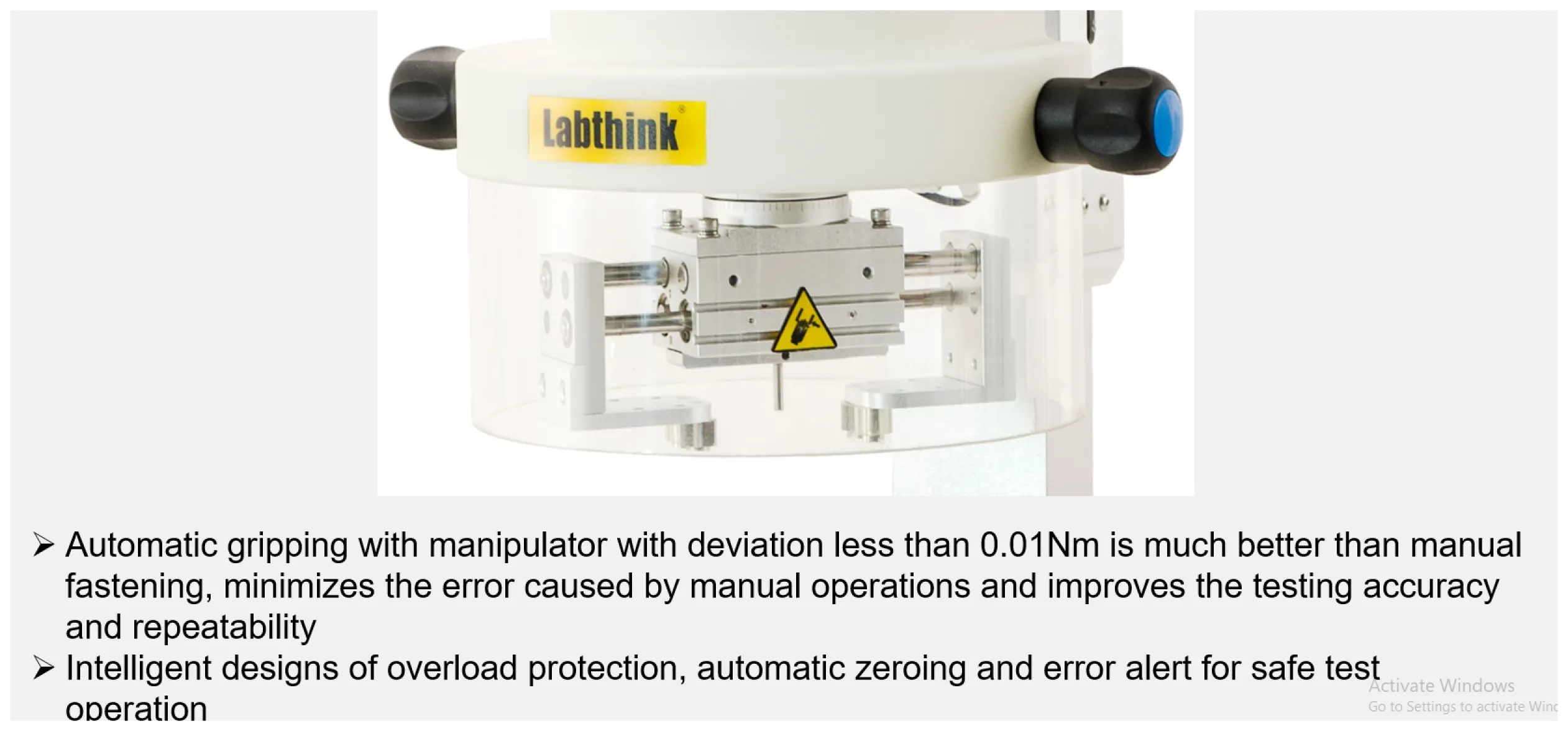
- Innovative and patented design of manipulator supports automatic clamping, opening and locking of specimens, which minimizes the errors caused by manual operations
- Test accuracy is greatly improved. The peak value can be maintained automatically, which ensures the recording of the accurate test results
-
New Patented Intelligent Touch Operating System
- Test curves are displayed in real time. Intelligent data statistics supports quick review of test results.
- Test data is expressed in eight international units for reference and comparison.
- Automatic data storage and power failure memory functions.
Select the right product for your specific requirements
| Parameter | Digital Torque Tester NJY-20 |
Digital Torque Tester C612M |
|---|---|---|
| Load & Measurement | ||
| Load Cell Capacity | 20 Nm (standard); 40 Nm, 50 Nm (optional) | 5 Nm (standard); 20 Nm, 40 Nm (optional) |
| Accuracy | ±1% FS | ±0.5% of indicated value (10–100% capacity) ±0.05% FS (0–10% capacity) |
| Resolution | 0.001 Nm | 0.0001 Nm |
| Lower Testing Limit | — | 0.005 Nm |
| Max Auto Torque (removal/application) | — | 2 Nm (customization available) |
| Manipulator Deviation | — | < 0.01 Nm |
| Test Modes & Operation | ||
| Test Modes | 2 — Open Force & Lock Force | 2 — Application Torque & Removal Torque (manual or automatic) |
| Operation Type | Manual / semi-automatic | Pneumatic automatic (gripping force, fastening force & turning speed adjustable) |
| Clamping Method | Manual clamp | Pneumatic |
| Gas Supply Pressure | — | 0.7 MPa (101.5 psi) |
| Gas Supply Port | — | Φ4 mm PU tubing |
| Sample & Clamp Range | ||
| Body Clamp Range (diameter) | Φ5 mm – Φ170 mm | Φ5 mm – Φ170 mm |
| Cap Clamp Range (diameter) | — | Φ10 mm – Φ80 mm |
| Bottle Height Range | — | 20 mm – 400 mm |
| Display & Interface | ||
| Display | Large LCD with menu interface | Industrial-grade touchscreen with real-time test curves |
| Operation Panel | PVC operation panel | One-button operation design |
| Language | — | Chinese & English |
| Test Units Supported | Standard torque units (Nm) | 8 international units |
| Data Interface | RS232 port + micro printer port | — |
| Data & Storage | ||
| Peak Value Hold | ✔ Automatic | ✔ Automatic |
| Test Record Storage | — | Up to 1,200 records |
| Statistical Analysis | 1–9 samples (unlimited with professional software) | 0–999 samples |
| Power Failure Memory | — | ✔ Yes |
| LystemTM Lab Data Sharing | ✔ Supported | — |
| Safety Features | ||
| Overload Protection | ✔ Yes | — |
| Auto Zeroing | ✔ Yes | — |
| Error Alerts | ✔ Yes | — |
| Physical & Power | ||
| Dimensions (L × W × H) | 350 × 240 × 140 mm | 550 × 365 × 1150 mm |
| Net Weight | 19 kg | 39 kg |
| Power Supply | 220 VAC 50 Hz / 120 VAC 60 Hz | 220 VAC ±10% 50 Hz / 120 VAC ±10% 60 Hz |
| Applicable Standards | ||
| ASTM D2063 | ✔ | ✔ |
| ASTM D3198 | ✔ | ✔ |
| ASTM D3474 | ✔ | ✔ |
| BB/T 0025 & BB/T 0034 | ✔ | ✔ |
| GB/T 17876 | ✔ | ✔ |
* Specifications sourced from Labthink. Contact Flexitest for pricing and configuration details.
NJY-20
C612M
Frequently Asked Questions – Container / Bottle Cap Torque Tester
What is container and bottle cap testing and why is it important in packaging quality control?
Container and bottle cap testing evaluates the performance, seal integrity, and safety of closures on bottles, jars, and rigid containers. It measures application torque, removal torque, leak resistance, and child-resistance effectiveness. Proper cap testing prevents leakage during transport, maintains product shelf life, ensures consumer safety, and demonstrates compliance with ASTM D2063 and ISO 8317 standards across food, pharmaceutical, and FMCG packaging industries.
What is cap torque testing and what does it measure?
Cap torque testing measures the rotational force required to apply or remove a closure from a container. Application torque is the force used to seal the cap during the capping process, while removal torque is the force needed by the consumer to open it. Per ASTM D2063, maintaining correct torque values prevents leakage from undertorqued caps and consumer difficulty from overtorqued caps, ensuring both seal integrity and ease of use.
What is ASTM D2063 and which industries use it for bottle cap testing?
ASTM D2063 is titled “Standard Test Methods for Measurement of Torque Retention for Packages with Continuous Thread Closures.” It defines standardised test methods for measuring torque required to remove or apply continuous-thread caps on containers. It is widely used in FMCG, beverages, pharmaceuticals, and cosmetics industries where threaded bottle caps are standard. ASTM D2063 is referenced in audits, quality manuals, and supplier qualification processes globally.
What is the difference between ASTM D2063 and ASTM D7860 in cap torque testing?
ASTM D2063 measures torque retention for continuous thread closures using non-automated manual torque testing equipment — suitable for laboratory development and engineering evaluation. ASTM D7860 covers the same continuous thread closures but uses automated torque testing equipment, enabling faster, more repeatable measurements for production-scale quality control. Both standards evaluate child-resistant and non-child-resistant closures and reference ASTM D3475 for closure classification.
What is ISO 8317 and when does it apply to bottle cap and closure testing?
ISO 8317 specifies requirements and test methods for child-resistant packaging. It outlines procedures for evaluating the effectiveness of closures in preventing access by young children while allowing easy access for adults. It applies to pharmaceutical, household chemical, and pesticide packaging where closures must meet child-resistance criteria. ISO 8317:2015 is the current active version and is used alongside ASTM D7860 for complete child-resistant closure validation.
How is leak testing performed on containers and bottle caps?
Leak testing of sealed containers and bottles is performed using pressure decay methods per ASTM F2095, which detects leaks in flexible pouches and foil-sealed trays at a rate of 1×10⁻⁴ sccs or greater. For rigid bottles with threaded caps, torque values are set per ASTM D2063 and container integrity is verified by pressurising the sealed unit and monitoring pressure loss over time. Leak testing ensures caps are correctly torqued and seals are intact before product release.
What are the consequences of incorrect cap torque in bottle packaging?
If the torque is too low, it can result in leakage, spoilage, or loss of carbonation. If the torque is too high, consumers may struggle to open the bottle, leading to complaints and potential safety issues. In pharmaceutical packaging, incorrect torque can compromise sterility or render child-resistant closures ineffective — causing non-compliance with ISO 8317 and ASTM D7860. Consistent torque control per ASTM D2063 is essential for product safety, brand reputation, and regulatory compliance.
Which industries in India require container and bottle cap testing equipment?
Container and bottle cap testing is required across pharmaceuticals (CDSCO compliance, child-resistant caps per ISO 8317), food and beverage (PET bottles, glass jars, edible oil containers per ASTM D2063), FMCG and personal care (shampoo, lotion, cosmetic bottles), agro-chemicals and pesticides (child-resistant closures per ASTM D7860 and ISO 8317), and industrial chemicals. Flexitest supplies authorised cap torque and container testing instruments with installation, calibration, and AMC support across India.
Related Machines

C660B performs precise package leak testing by negative pressure, with intelligent vacuum control, compliant with ASTM D3078 & GB/T 15171.
View Details →
MXD-02 precisely measures static & kinetic friction of films, paper, textiles & more, compliant with ISO 8295 & ASTM D1894.
View Details →
Barrier film testing precisely measures water vapour & gas permeation in rigid and flexible packaging to ensure consistent barrier quality.
View Details →
Advanced UTM for packaging applications, compliant with ISO 37, ASTM E4, D882, D1938, D3330, F88 & F904.
View Details →